Class 1 medical device - CE marked Winner of the 1st prize for Auditory Medical Innovation at the 2025 SFORL congress
awarded by the French Society of ENT - SFORL and the Hearing Foundation Reserved for audiologists
Watch the presentation video for patients (3min)
The Intensity Perception Test
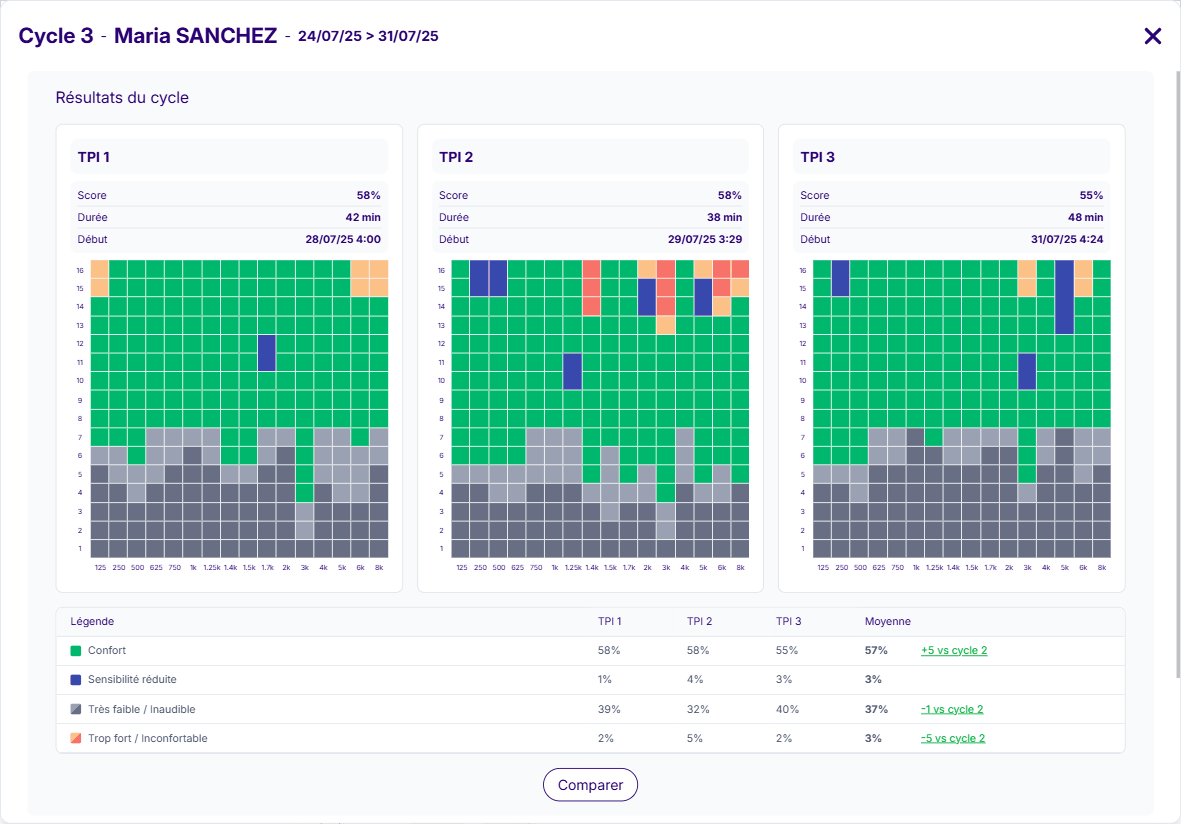
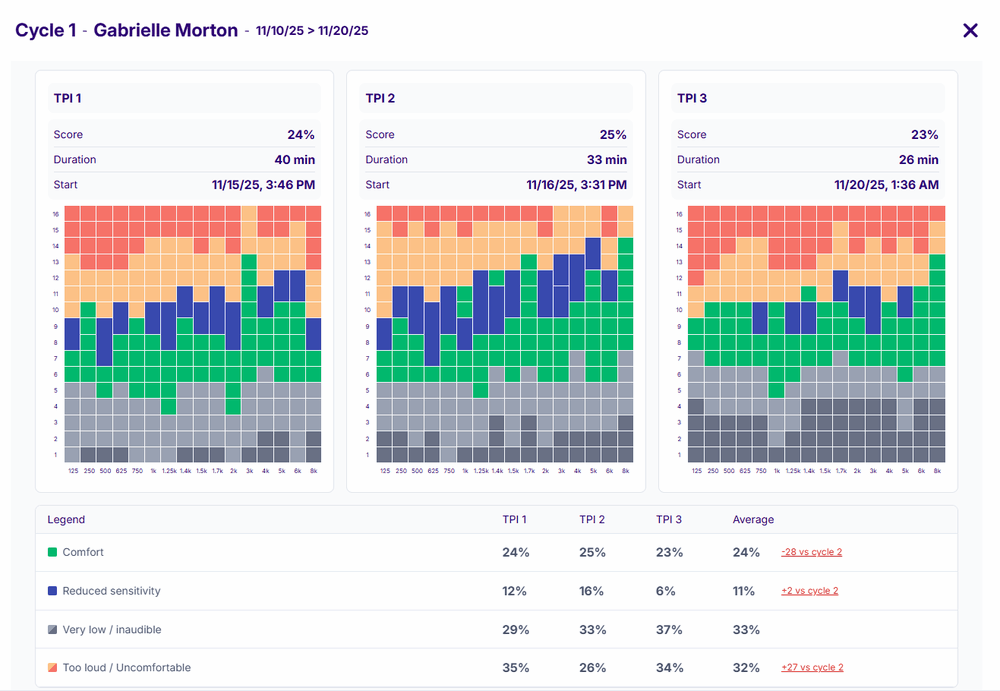
New in audiology, Meludia Hearing Better IPT (Intensity Perception Test) is a Class I medical device that allows to map the loudness perception of hearing aid users to establish their Dynamic Audio Profile (DAP).
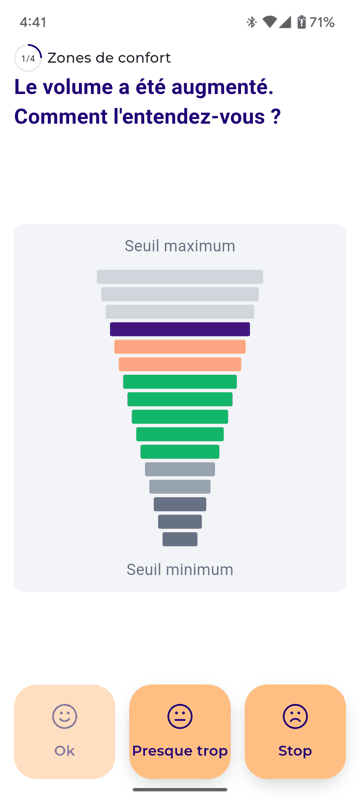
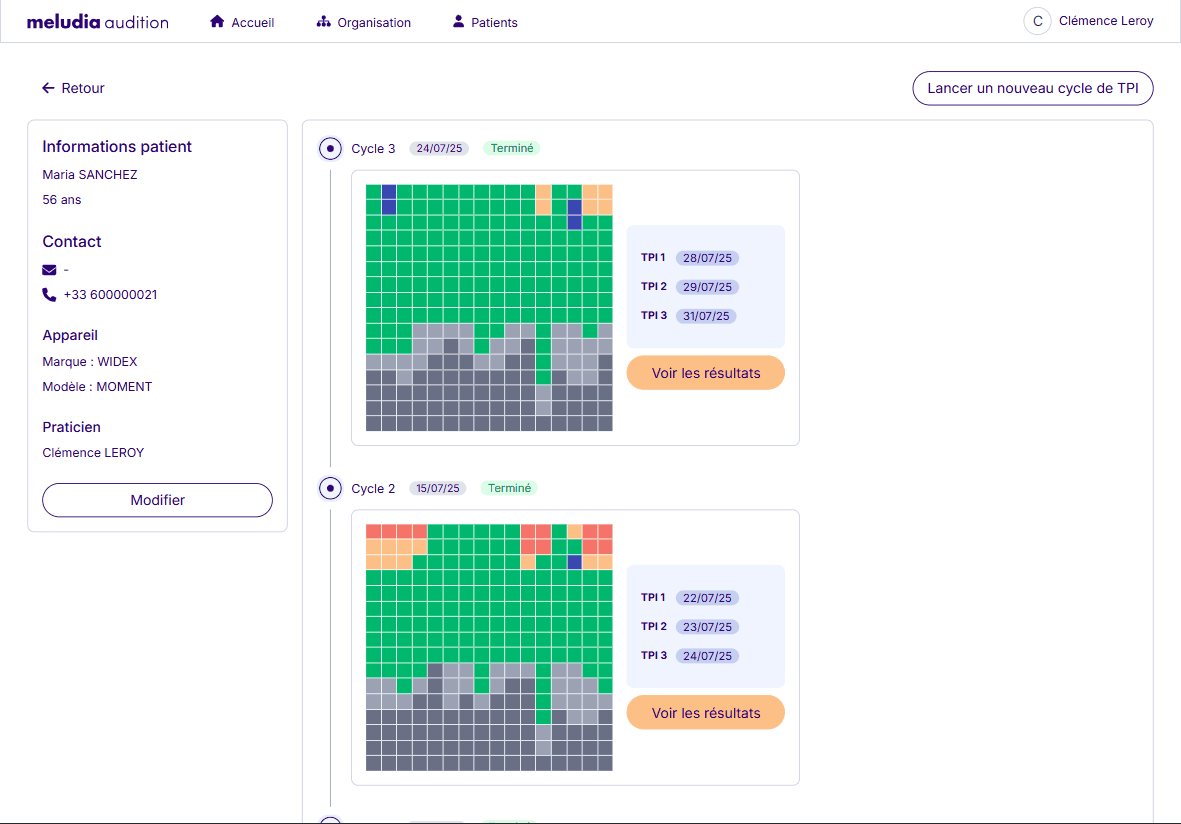
The IPT quantifies hearing thresholds, discomfort zones, comfort zones, and sensitive zones across 12 frequency bands and 16 intensity levels.
This medical device is a regulated health product bearing the CE mark, Meludia Hearing Better is registered with EUDAMED under manufacturer number FR-MF-000048877.
At-home Testing Using Musical Sequences
Users complete this test on their own, in their own home, to collect important information to help their hearing care professional.
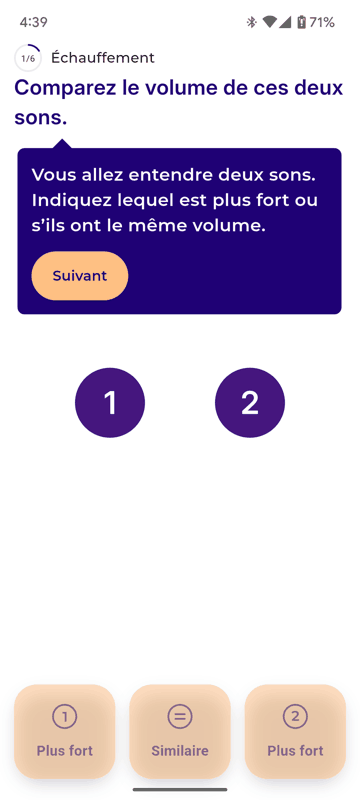
It uses short music sequences, expertly tuned by Meludia Hearing Better™, to offer a realistic experience with natural, harmonic sounds. These sounds, similar to every day sounds, help audiologists accurately measure how sounds are perceived in daily life.
The audio is delivered instantly via Bluetooth to your hearing devices, and the test usually lasts 20 minutes.
While it requires sustained attention and is not intended as a recreational activity, the test remains a pleasant experience. Driven by musical enjoyment and a polished interface, this evaluation naturally integrates into the trusting relationship with the audiologist. It is also accessible to everyone, including elderly individuals.
According to our pilot study, we observe very good compliance: 94% of enrolled patients completed their cycle of 3 IPTs before their 2nd appointment. 50% of them are in the 70+ age group > Learn more about the study
The Meludia Hearing Better App
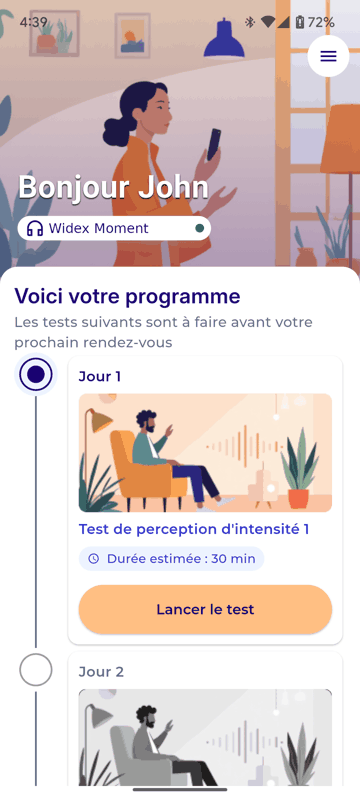
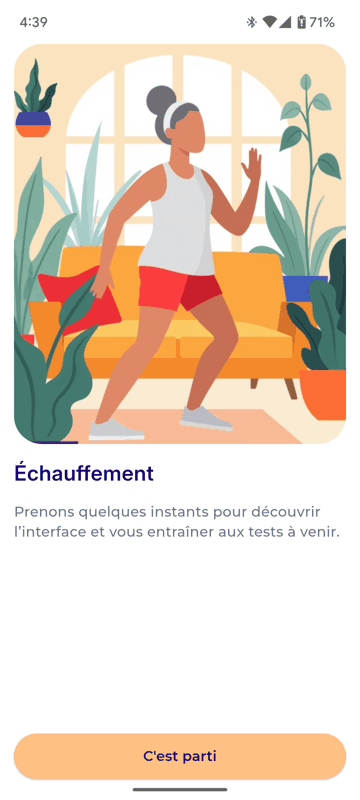
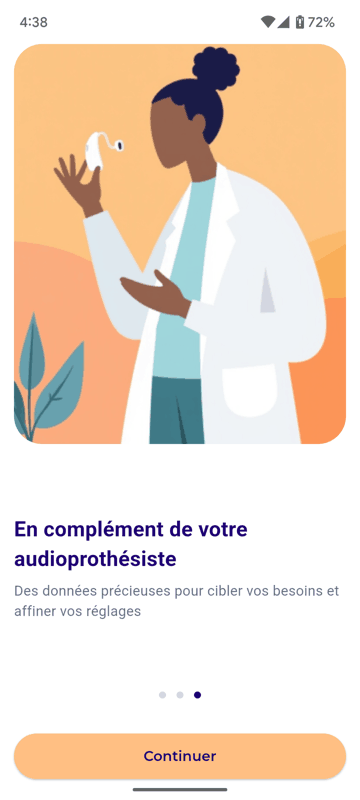
The IPT is completed by the hearing aid user on a smartphone via the Meludia Hearing Better mobile application, available on iPhone and Android.
The Hearing aids must be connected via Bluetooth.
The app is activated and managed by the audiologist.
Meludia Hearing Better partnered with the Acuitis network to run a pilot study, assessing how feasible, acceptable, and clinically effective this tool is in daily practice.
The findings show that the IPT serves as a key clinical driver to enhance the quality of hearing care. The test produced a solid, measurable impact on how patients perceive loudness, while earning high adoption rates from both hearing care professionals and their patients.
Before
After
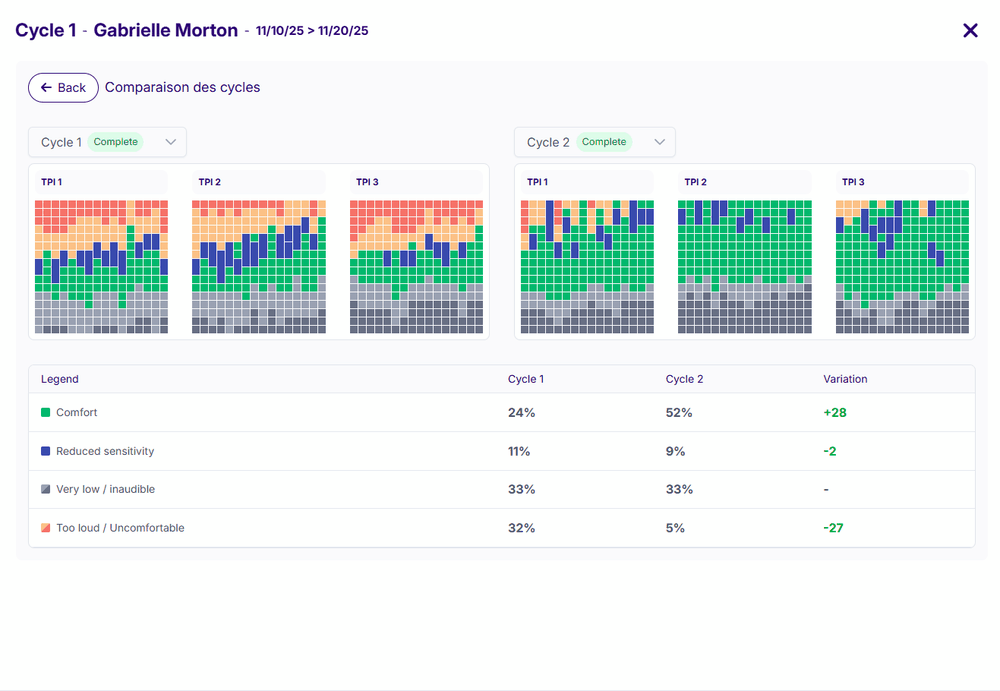
Case study from the pilot study of Mrs. H., 52 years old, after hearing aid adjustments.
The audiologist gains valuable information regarding the patient’s daily perceptions, incuding their discomfort thresholds and sensitive zones in the bass, mid-range, or treble frequencies.
This inspires the audiologist to develop new support strategies, leading to customized adjustments to your device settings and/or recommending targeted auditory rehabilitation exercises.
According to our pilot study, 95% of audiologists felt that the IPT provided them with useful information, and they used this information to make new adjustments in 87% of cases. > Learn more about the study
Measures the Impact of New Settings
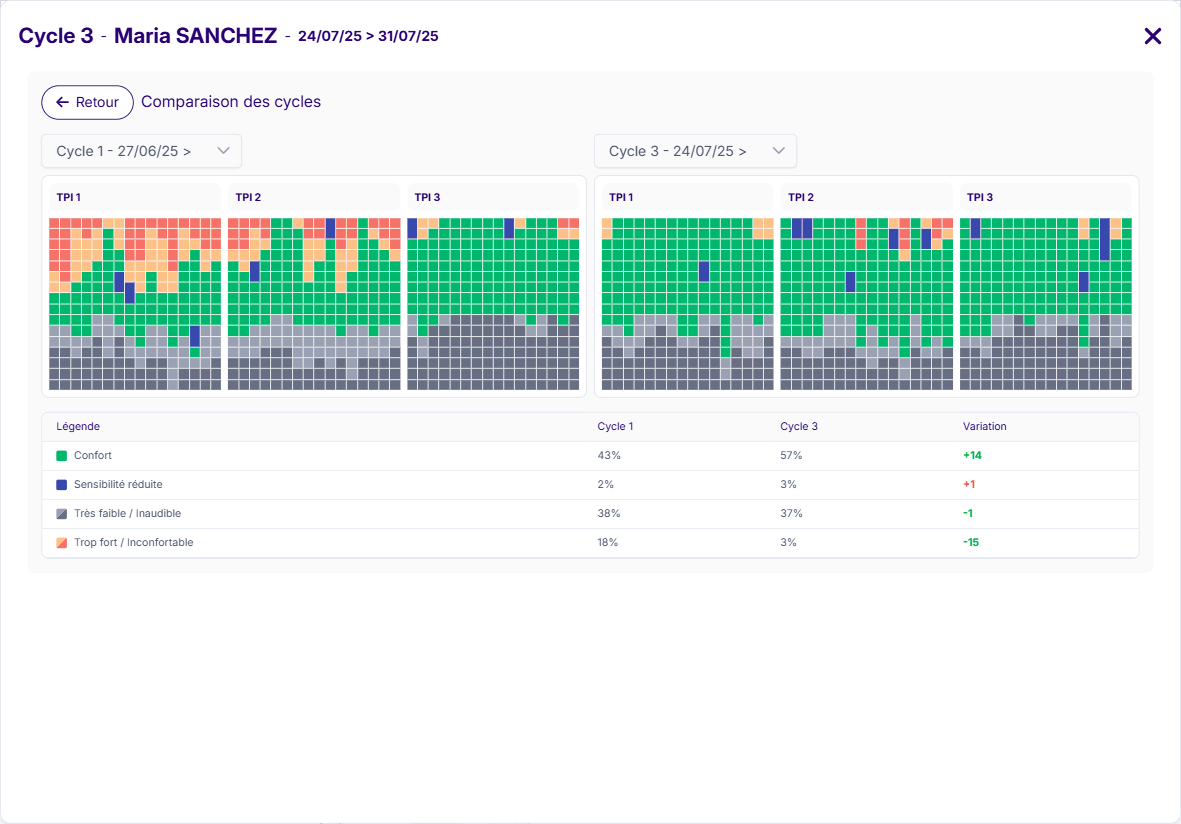
Used before and after an event (such as new settings), the IPT allows for the evaluation of the impact of therapeutic decisions.
Administered in a cycle of three tests, it provides a personalized baseline of the patient by creating their Dynamic Audio Profile (DAP).
According to our pilot study, 100% of patients who experienced an improvement in their hearing at the end of the protocol performed better in the second cycle than in the first. > Learn more about the study
Engages the Patient in Their Hearing Health
The IPT serves as a bridging tool between the patient and their audiologist.
It unites the patient and their audiologist around a therapeutic “contract,” enabling them to communicate more easily about subtle matters, such as sound perception, and to jointly observe progress.
According to our pilot study, 96% of patients who completed their first cycle reported being motivated or very motivated to start a new cycle. > Learn more about the study
A Tool That Seamlessly Fits Into the Care Pathway
Since the IPT is performed by the patient at home, it easily integrates into the audiologist’s daily routine.
It is equally relevant during the adaptation phase as it is in the follow-up phase.
It optimizes the interval between two appointments.
It also offers the possibility of involving assistants in the test administration, which boosts their skills and leads to better patient compliance.
The Meludia Hearing Better IPT Protocol
As a medical device, Meludia Hearing Better IPT must be administered via a precise protocol.
The Hearing Professional
The IPT is exclusively available to ENT specialists and audiologists and can only be recommended and monitored by these professionals.
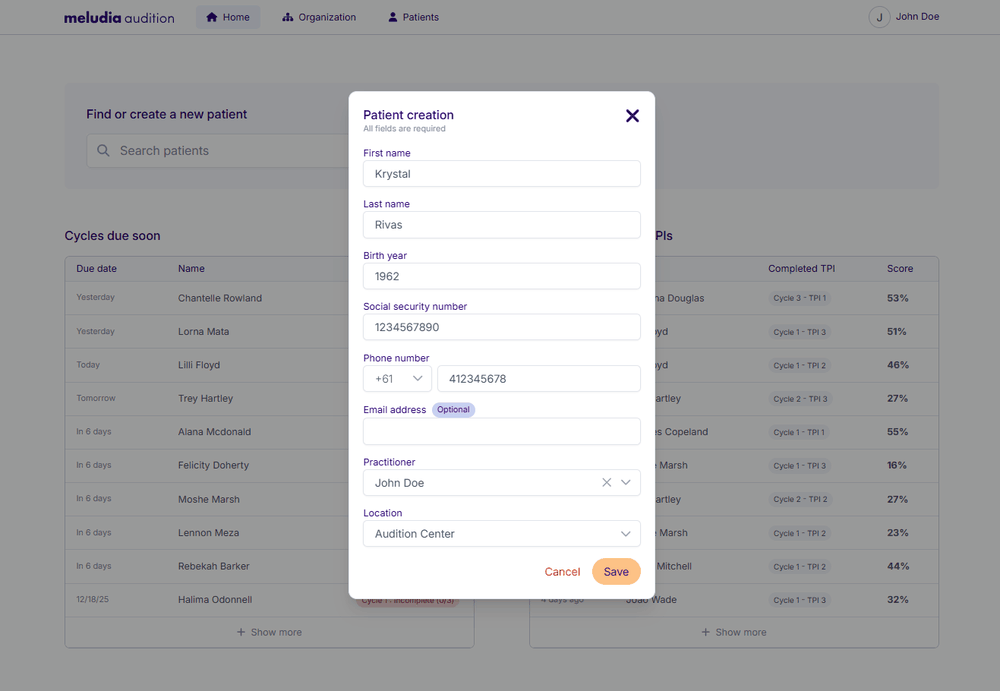
The professional must invite a patient to complete a cycle from their Pro platform.
Therapeutic Indications
This device is recommended for patients meeting one or more of the criteria below
Wishes to actively participate in their fitting process View a use case
Expresses difficulties with their current settings View a use case
…
Patient prerequisites
Bluetooth hearing aids
iOS or Android smartphone
Phone number
Protocol Procedure
Meludia Hearing Better is prescribed as a protocol of 2 cycles of 3 IPTs, over approximately 2 months.
The first cycle establishes a baseline for personalized settings.
ℹ️ Each cycle includes 3 IPTs to ensure the reliability of the results.
The second cycle allows for measuring the impacts of the adjustments made.
💡At the end of the second cycle, if new adjustments are made, the professional can prescribe a new cycle.
Data Confidentiality and Security
Data collected at the professional’s office and during home tests are transferred, processed, and stored on HDS certified servers (Health Data Hosting), comply with the General Data Protection Regulation (GDPR) and are secured to guarantee their safety.
An Award-Winning Solution
Winner of the 1st Prize for Medical Hearing Innovation Award 2025
by the French Society of ENT and the Hearing Foundation
A Real Impact for Patients and Professionals
Audiologists who have used this device have shared the benefits it brings to their practice and their patients.
Read our articles related to real use cases:
Sensitive zones: A considerably useful information for adjustments
L’application Meludia Audition est la partie du dispositif utilisé par les patients pour passer le TPI.
Elle est en téléchargement libre sur les stores Apple et Google, mais elle ne pourra être utilisée que sur prescription par un professionnel de l’audition disposant d’un abonnement Meludia Audition.
Pour les patients
Accessible sur smartphone Apple ou Android
Simple d’utilisation
Un accès simple et fiable au TPI
L’application Meludia Audition Pro permet de :
S'identifier avec un numéro de téléphone autorisé
Démarrer ou continuer un cycle de TPI
Consulter les résultats des TPI récents
Envoyer automatiquement les résultats au professionnel de santé ayant prescrit le TPI
Vous vous invitons à nous rejoindre pour un webinaire de 30 minutes pour en savoir plus, poser vos questions et essayer gratuitement l’application avec vos patients.
Meludia Audition TPI vient compléter les outils utilisés par les professionnels de l’audition pour évaluer l’audition, afin d’apporter des informations complémentaires pour améliorer les réglages.
Le dispositif est donc uniquement accessible sur prescription par un professionnel de l’audition disposant d’un abonnement Meludia Audition.
Cette prescription, ainsi que la visualisation des résultats se fait via la plateforme Meludia Pro
Vous vous invitons à nous rejoindre pour un webinaire de 30 minutes pour en savoir plus, poser vos questions et essayer gratuitement cette plateforme avec vos patients.
Cette étude, conduite entre Février et Avril 2025, visait à démontrer la faisabilité technique et clinique de l’utilisation de Meludia Audition TPI en conditions réelles pour améliorer les réglages des aides auditives.
Elle évaluait également la satisfaction des patients et des professionnels de santé concernant cette nouvelle approche, tout en validant la pertinence des résultats des tests pour ajuster les aides auditives.
Un partenariat stratégique
Cette étude a été réalisée en partenariat avec le réseau Acuitis, un acteur majeur dans le domaine de l’audioprothèse
Grâce à son approche novatrice et son engagement à intégrer des solutions de pointe, Acuitis a activement contribué à porter ce projet au sein des maisons Acuitis, garantissant ainsi la pertinence et la fiabilité des données recueillies auprès des patients et des audioprothésistes.
Chiffres clés
Mois
0
Audioprothésistes
0
Patients
0
TPI
0
Protocole
RDV 1 - Présentation du protocole - Pas de réglages
1er cycle de TPI
RDV 2 - Lecture et interprétations des TPI réalisés - Questionnaires (PREMs, PROMs et Satisfaction - Modification des réglages
2ème cycle de TPI
RDV 3 - Lecture et interprétations des TPI réalisés - Questionnaires (PREMs, PROMs et Satisfaction
Des résultats exceptionnels
Des invité•es motivé•es et engagé•es
Observance
94% des invités qui se sont rendus au RDV 2 ont complété leur cycle de 3 TPI
Engagement
96% des patients se disent motivés pour enchainer sur un 2nd cycle
Perspectives
75% des invités estiment qu’il peut y avoir des améliorations suite aux résultats de leur premier cycle
Des données utiles et fiables pour les professionnels
Fiabilité
Écart-type moyen de 4.25 entre les TPI du même cycle montrant une stabilité inter-cycle
Utilité
95% des audioprothésistes estiment que les TPI leur ont donné des informations utiles pour personnaliser les réglages
Impact
Dans 87% des cas, l’audioprothésiste a pris la décision de modifier les réglages suite au premier cycle
Un fort impact sur l’audition des patient•e•s
Ressenti
75% des invités ressentent une amélioration de leur audition à l’issue de leur second cycle
Objectivité
Gain de 37% de cases vertes en moyenne entre le 1er et le second cycle
Engagement
60% des invités estiment se sentir plus impliqués dans leur appareillage à l’issue de leur second cycle
Perspectives et publication scientifique
Un article scientifique portant sur l’analyse détaillée des résultats de cette étude est en cours de publication dans une revue à comité de lecture.
Au delà des quelques indicateurs mentionnés ici, cet article aborde plus en profondeur les ajustements prothétiques et l’amélioration statistique des scores entre les 2 cycles, ainsi que les informations relatives aux questionnaires PREMs et PROMs.
Dès sa publication, vous retrouverez ici un lien vers cet article.
Pour plus d’informations ou tout simplement discuter de cette étude, contactez-nous !
The Meludia Hearing Better application is the part used by patients to take the IPT.
It can be downloaded for free from the Apple and Google stores, but it can only be used after a Hearing Care Professional prescribed a test using the Pro Platform.
For Patients
Available on Android and iOS
Easy to Use
An Easy Access to the IPT
The Meludia Hearing Better Application allows to:
Login with a registered phone number
Start or continue an IPT
View the results of recent IPTs
Automatically send the results to the Hearing care Professional who prescribed the IPT
Meludia Hearing Better IPT complements the tools used by hearing professionals to evaluate hearing, providing additional information to adjust hearing devices.
The system is therefore only accessible by prescription from a hearing professional who has a Meludia Hearing Better subscription.
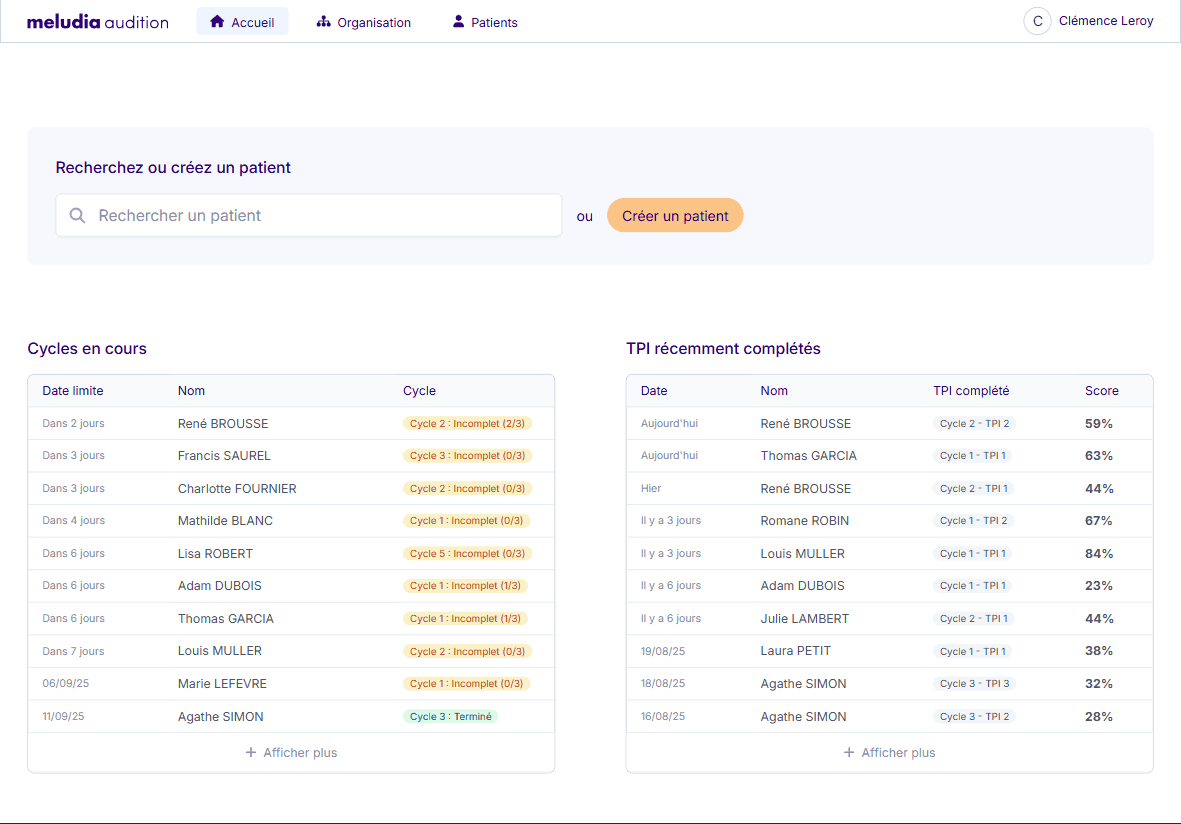
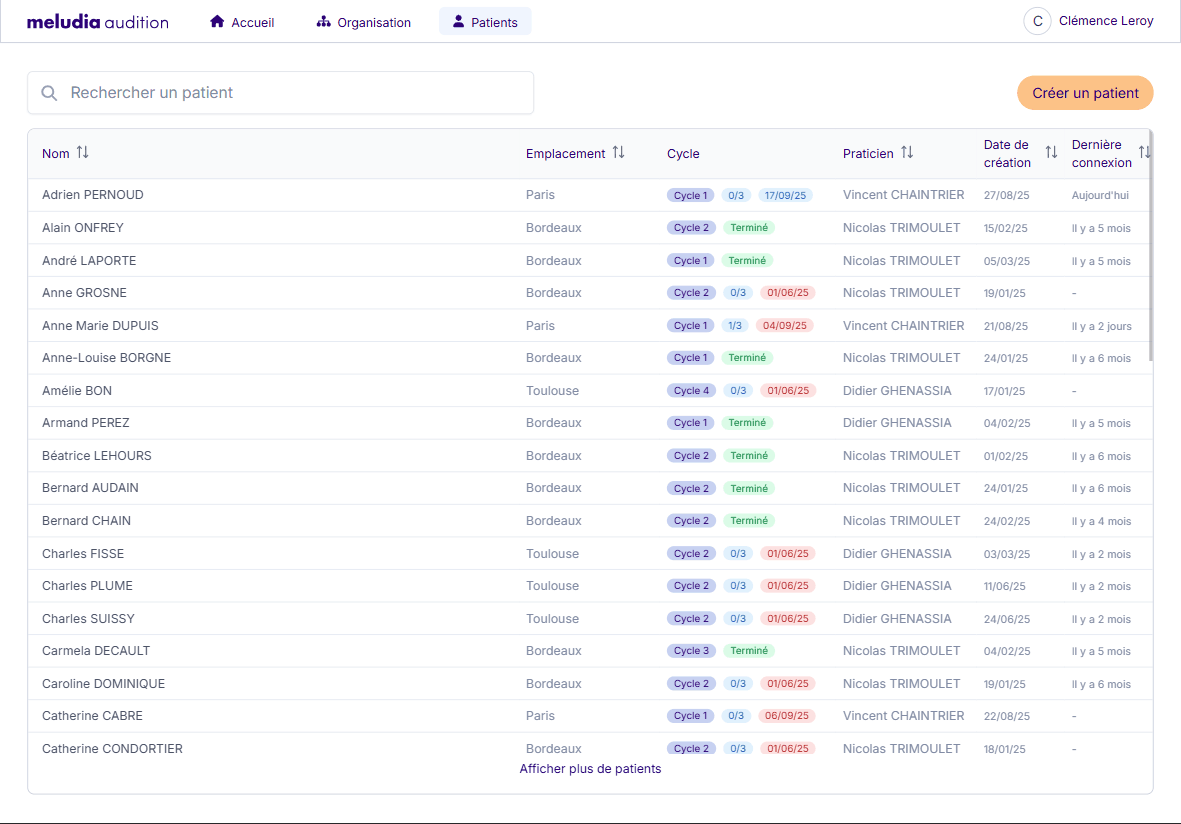
This prescription, as well as the visualization of results, is managed via the Meludia Pro Platform.
Only for Hearing Professionals
Accessible Online
Easy to Use
Essential Features
The Meludia Hearing Better Pro platform allows you to:
This study, conducted between February and April 2025, aimed to demonstrate the technical and clinical feasibility of using Meludia Hearing Better IPT in real-world conditions to improve hearing aid settings.
It also assessed the satisfaction of patients and health professionals regarding this new approach, while validating the relevance of the test results for adjusting hearing aids.
A Strategic Partnership
This study was conducted in partnership with the Acuitis network, a major player in the field of audioprosthetics.
Thanks to its innovative approach and commitment to integrating cutting-edge solutions, Acuitis actively contributed to implementing this project within its Acuitis centers, ensuring the relevance and reliability of the data collected from patients and audiologists.
Key Findings
Months
0
Audiologists
0
Patients
0
IPT
0
Protocol
Appointment #1 - Presentation of the Study - No Adjustments
1st Cycle of IPT
Appointment #2 - Reading and Interpretation of the Completed IPTs - Questionnaires (PREMs, PROMs, and Satisfaction) - Adjust Hearing Aid Settings
2nd Cycle of IPT
Appointment #3 - Reading and Interpretation of the Completed IPTs - Questionnaires (PREMs, PROMs, and Satisfaction)
Exceptional Results
Motivated and Engaged Participants
Compliance
94% of invited participants who attended Appointment 2 completed their cycle of 3 IPTs.
Engagement
96% of patients reported being motivated to proceed with a second cycle.
Perspectives
75% of participants felt that improvements could be achieved following the results of their first cycle.
Useful and Reliable Data for Professionals
Reliability
A mean standard deviation of 4.25 between IPTs of the same cycle, demonstrating inter-cycle stability.
Usefulness
95% of audiologists estimate that the IPTs provided them with useful information for personalized adjustments.
Impact
In 87% of cases, the audiologist made the decision to modify settings following the first cycle.
A Strong Impact on Patient Hearing
Perception
75% of participants reported feeling an improvement in their hearing following their second cycle.
Measurable Gain
An average gain of 37% green cells between the 1st and 2nd cycles.
Engagement
60% of participants reported feeling more involved in their hearing aid use after completing their second cycle
Next Steps and Research Findings
An article featuring a detailed analysis of these study results is in the process of being published in a peer-reviewed journal.
Beyond the few indicators mentioned here, this article delves more deeply into the hearing aid adjustments and the statistical improvement of the scores between the two cycles, as well as the information relating to the PREMs and PROMs questionnaires.
To learn more or discuss the study, reach out to us!